 decorifusta Garden and patio decoration inspiration
Are you ready to embark on a fragrant journey that combines the beauty of nature with your own personal touch? If you’ve been dreaming of a cozy herb garden that not only enhances your culinary creations but also graces your outdoor space with style, you’re in for a treat! In this listicle, we present 25 inspiring ideas to help you create a stunning low-border fenced herb garden that is both functional and aesthetically pleasing.
From innovative fence designs that add a pop of charm to clever planting strategies that maximize your space, each idea is thoughtfully curated to spark your creativity and encourage you to cultivate your green thumb. Whether you have a sprawling backyard or a modest balcony,you’ll find valuable tips on selecting the right herbs,planting companions,and stylish fencing options to suit your needs. So, roll up your sleeves and let’s dig into this collection of ideas that will transform your gardening experience and elevate your space into a fragrant oasis!
Embrace Vertical Gardening: Use trellises and wall-mounted planters to maximize your small space while creating a lush, green look
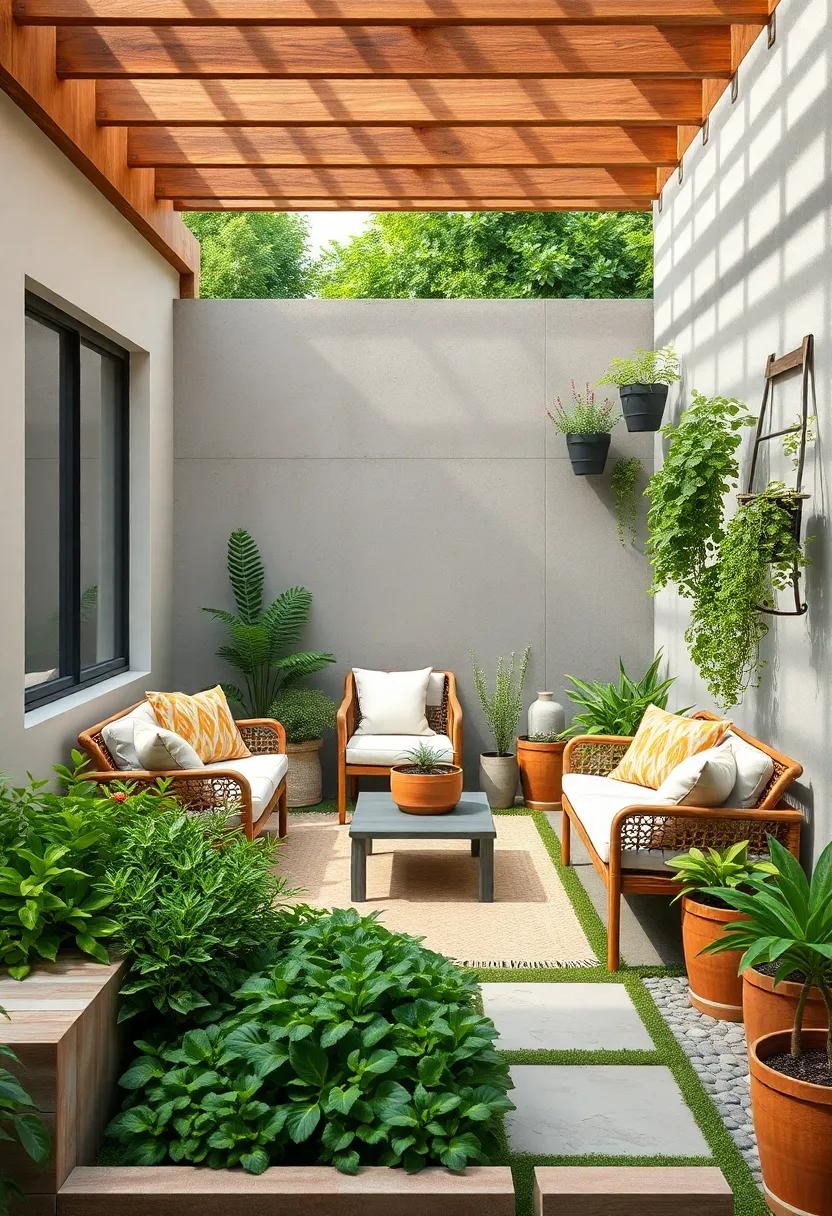
Transform your humble herb garden by taking advantage of vertical gardening methods. Incorporating trellises and wall-mounted planters not only elevates your planting space but also adds an element of sophistication to your design. These structures provide the perfect support for climbing herbs like mint and basil, ensuring they thrive while managing space efficiently. Vertical setups create a stunning green backdrop,frequently enough making small spaces feel larger and more inviting. Choosing materials like reclaimed wood or durable metal can enhance the rustic aesthetic you want for your garden.
When designing your vertical garden, consider the following tips to maximize both aesthetics and functionality:
- Mix plant heights: Combine trailing herbs like chives with tall plants such as rosemary to add depth and interest.
- Vertical shelves: Install tiered wooden shelves for additional planting space, perfect for pots of thyme and oregano.
- Colorful planters: Opt for vibrant wall-mounted planters to contrast the greenery and create visual appeal.
- Vertical gardening kits: Use ready-made kits that offer a seamless way to create an eye-catching wall of herbs.
| Herb | Growth Habit | Height |
|---|---|---|
| Basil | Bushy | 24″ |
| Mint | Trailing | 12″ |
| Thyme | Spreading | 8″ |
| Oregano | Bushy | 18″ |
Choose Elevated Planters: Opt for raised beds or planters that allow for easy access and a polished appearance, making maintenance a breeze

For a beautifully organized herb garden that is both functional and aesthetically pleasing, consider incorporating raised beds or elevated planters into your design.These structures not only enhance the visual appeal of your garden but also offer practical benefits for maintenance. With their height, they provide easy access, ensuring that gardening chores like pruning, watering, and harvesting are as cozy as possible. Imagine reaching for fresh basil or thyme without the need to bend over or squat down; it truly transforms the experience of gardening.
Elevated planters can also be tailored to fit your style, whether you prefer a rustic charm or a modern look. Here are some ideas to enhance your elevated planter garden:
- Modular Designs: Utilize stackable planters to create a dynamic vertical garden that maximizes space.
- Stylish Materials: Choose from wood, metal, or composite materials that align with your home’s aesthetic.
- Built-In Seating: Combine gardening with relaxation by integrating seating areas around your elevated planters.
To help you visualize your options further, here’s a simple comparison table of planter types:
| Planter Type | Height | Best Use |
|---|---|---|
| Wooden Raised Bed | 12-36 inches | Vegetable and herb gardens |
| Metal Planter box | 24-30 inches | Urban or modern spaces |
| Modular Stackable Planter | Varied | Maximizing small areas |
Mix Herbs with Flowers: Interspersing colorful blooms with your herb selections can create a vibrant, visually stunning garden that attracts pollinators
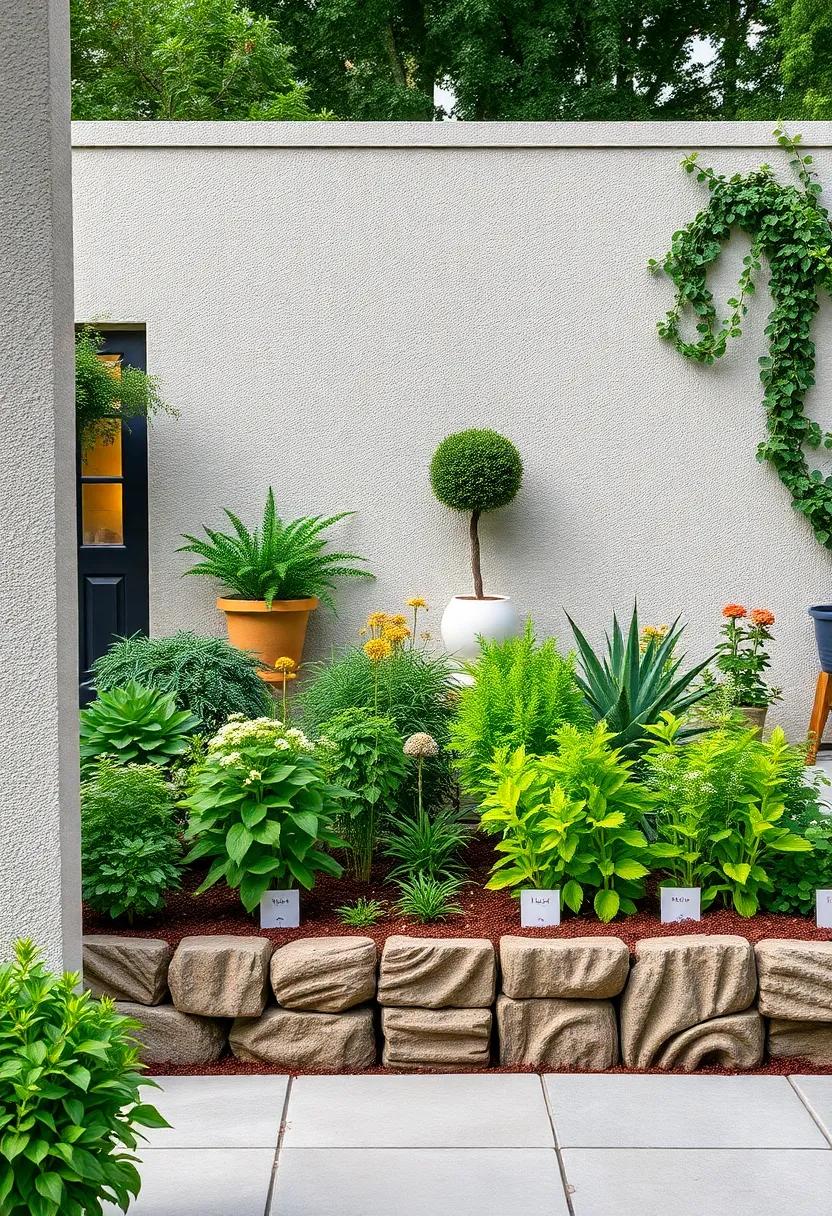
Imagine walking through a garden where the aroma of fresh basil mingles with the vibrant colors of blooming daisies and lavender. Mixing herbs with flowers not only elevates the aesthetic appeal of your garden but also fosters a lively ecosystem.Pollinators such as bees, butterflies, and hummingbirds are drawn to the shining hues and sweet scents of flowering plants. This mutual relationship benefits both the herbs and the flora, leading to better growth, increased yields, and a naturally beautiful environment.
Consider incorporating the following combinations into your low-border fenced herb garden for a visually stunning impact:
- Basil and Marigolds: Not only do marigolds deter pests, but their brilliant orange and yellow blooms contrast beautifully with the deep green leaves of basil.
- Rosemary and Purple Coneflower: With its striking pink petals, coneflower complements the sculptural form of rosemary, creating a textural interplay.
- Thyme and Nasturtiums: The vibrant,edible flowers of nasturtiums cascade over the low-growing thyme,providing an easy-to-care-for ground cover.
| Herb | Flower | Benefit |
|---|---|---|
| Sage | Salvia | Attracts hummingbirds |
| Oregano | Pansies | Edible and colorful |
| Mint | Calendula | Enhances flavors and beauty |
Create a Herb Spiral: Design a spiral garden that maximizes planting space and captures water efficiently, creating a unique focal point
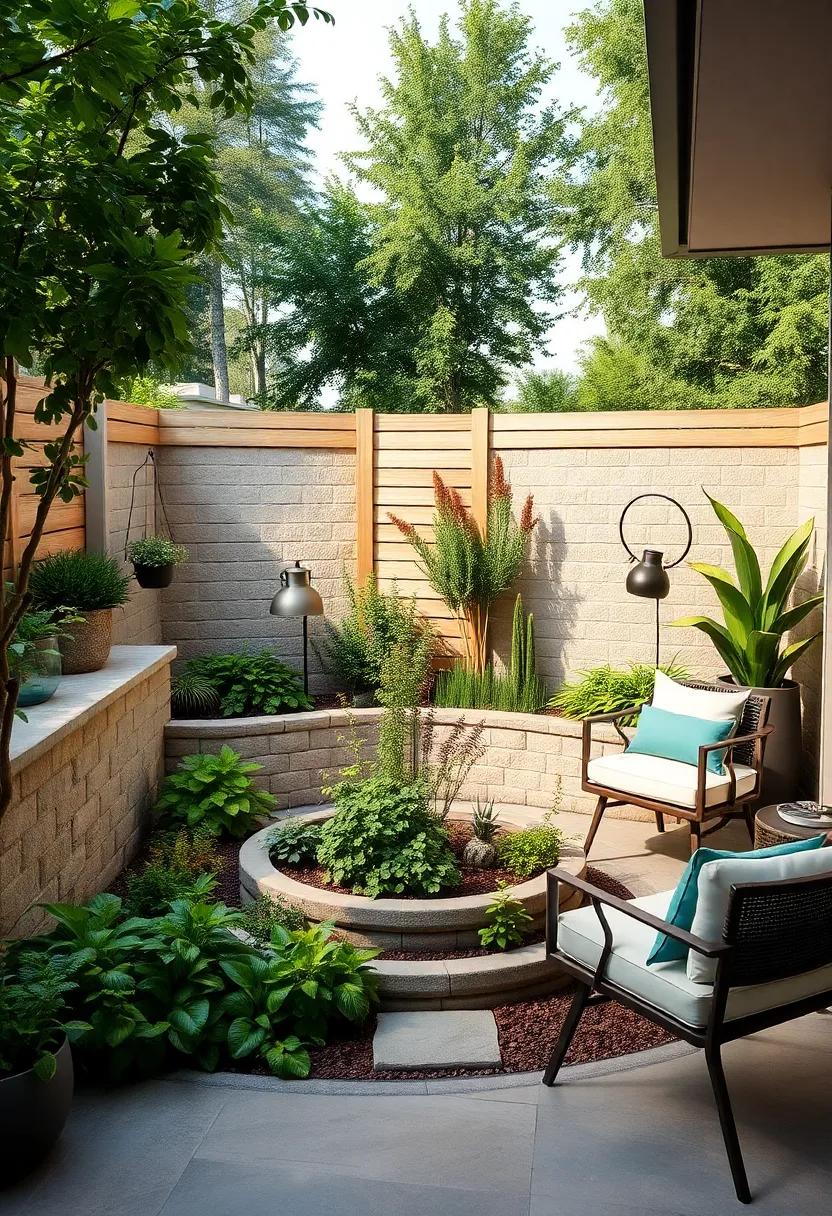
Transform your garden into a functional work of art by designing a herb spiral, a vertical garden feature that not only saves space but also improves the microclimate for your herbs. The spiral’s shape allows for a variety of herbs to thrive in different conditions; the base can accommodate moisture-loving plants while the upper tiers cater to drought-resistant species. This design creates a stunning visual element that draws the eye and serves as a conversation starter when guests visit your garden. By incorporating natural stone or recycled materials, you can craft a sustainable design that blends seamlessly with your outdoor environment.
Water efficiency is key to maintaining a thriving herb spiral. By positioning the spiral strategically, you can capture rainwater runoff and ensure that moisture distributes evenly throughout the structure. consider layering the spiral with several materials like branches, stones, and soil to enhance drainage and encourage beneficial microbial activity. Complement your spiral with a border of flowering plants or decorative rocks for added visual interest, and don’t forget to include pathways that allow easy access for harvesting. Embrace creativity in your spiral’s design to cultivate not just herbs, but a lively, engaging garden space.
Incorporate Edible Borders: Use low-growing herbs as border plants to add texture and color, making your garden both functional and beautiful
Transforming your garden into a lively space can be as simple as adding low-growing herbs along the borders. not only do these plants serve as vibrant living fences, but they also enhance the functionality of your garden. Imagine a path lined with basil, thyme, and chives, creating a sensory experience that invites visitors to engage with both the beauty and utility of your space. These herbs bring an array of textures and colors, with their lush green foliage and delicate flowers, making them perfect candidates for creating an enchanting border that complements taller plants.
incorporating herbs as borders is a win-win situation for gardeners looking to maximize aesthetic appeal without sacrificing practicality.When choosing your herbs, opt for those that thrive together and can tolerate similar conditions. A delightful mix could include:
- Marjoram – Aromatic and bushy, it lends a soothing fragrance to your outdoor space.
- Savory – With its rich scent, this herb also attracts beneficial insects.
- Oregano - Low-growing and hardy, this herb adds both flavor and visual interest.
Here’s a simple table to visualize how you can arrange your herbs for a charming border:
| Herb Name | Height | Color | Purpose |
|---|---|---|---|
| Basil | 12-18 inches | Bright Green | Culinary, Fragrance |
| Thyme | 6-12 inches | Dark Green | Culinary, Ground cover |
| chives | 12-24 inches | Bright Green | Culinary, Edible Flowers |
Use Repurposed Materials: Get creative with reclaimed wood, old pallets, or vintage containers to craft eye-catching planters with character
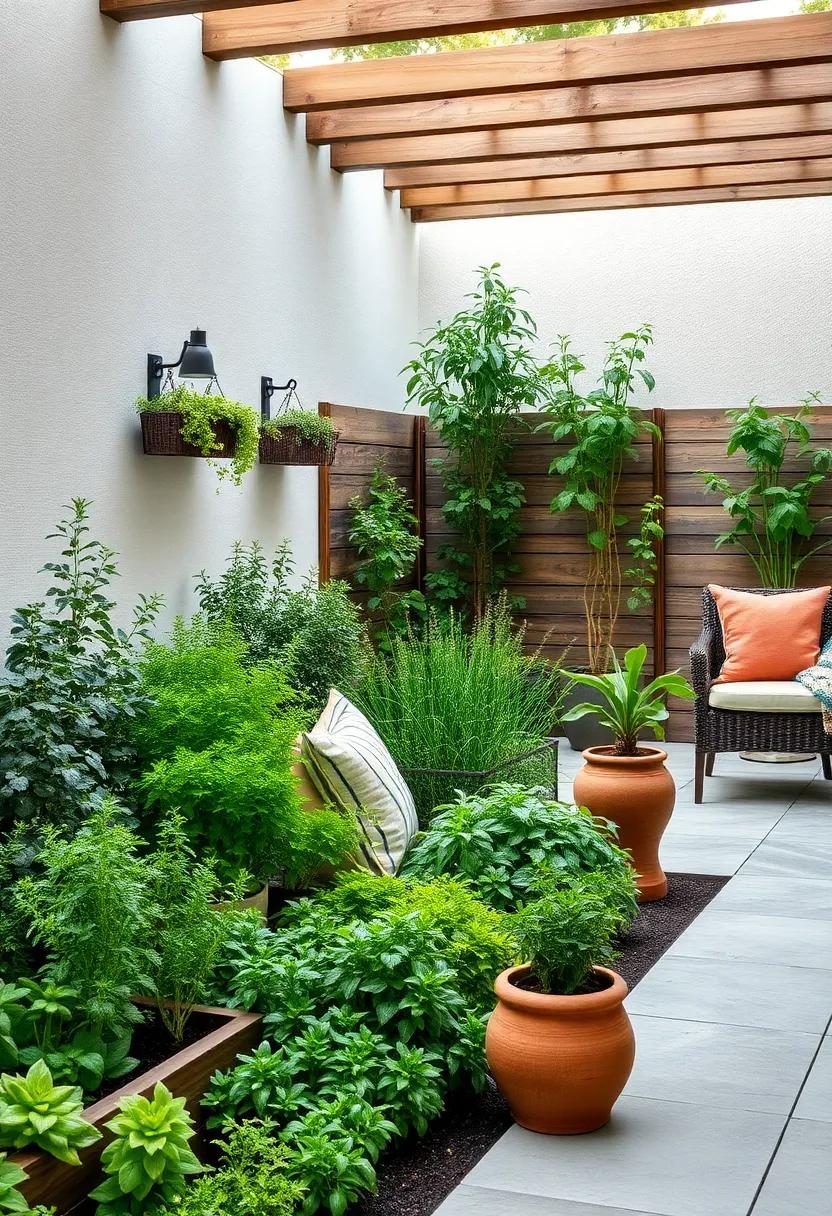
Transforming your garden space can be a thrilling adventure, especially when it comes to utilizing reclaimed materials. Reclaimed wood adds a rustic charm that is undeniably appealing. Crafting planters from old beams or barn wood not only brings a story to your garden but also provides sturdy, natural, and visually stunning containers for your herbs. You can use wood as slatted boxes, tiered planter stands, or even as hanging planters by simply adding hooks. The weathered look complements any herb, and with some sanding and sealing, these planters will last for years while promoting sustainable practices.
Old pallets are another treasure waiting to be repurposed. Dismantle the pallets to create unique vertical gardens or tiered staging that allows herbs to flourish in a compact design.With a bit of creativity, you can stack sections to create a living wall or use the slats for smaller herb boxes. Vintage containers like tin cans, old wheelbarrows, or ceramic pots infuse an eclectic style while showcasing your personal flair. Consider painting or distressing these containers to match your garden theme.The combinations are endless: think about how a row of colorful, mismatched pots can enliven your growing herbs and spark conversation among your visitors!
Implement Companion Planting: plant compatible herbs together to enhance flavor profiles, deter pests, and promote healthy growth
- Basil and Tomatoes: Not only do these two thrive together, but basil is known to enhance the flavor of tomatoes while also deterring the infamous tomato hornworm.
- Chives and Carrots: These duo help each other grow by repelling pests, especially aphids that can damage carrot crops while adding a subtle oniony flavor to your dishes.
- Rosemary and Sage: Both herbs thrive in similar conditions and their woody fragrances can repel unwanted insects like cabbage moths and bean beetles.
- Mint and Cabbage: Mint is a natural pest repellent and can deter cabbage moths that threaten cabbage, while giving a refreshing finish to your culinary creations.
| Herb Combination | Benefits |
|---|---|
| Basil + tomatoes | Enhances flavor, pest deterrent |
| Chives + Carrots | repels aphids, enhances taste |
| Rosemary + Sage | Pest deterrence, shared sunlight needs |
| Mint + Cabbage | Deters moths, adds freshness |
Creating a stunning herb garden not only fulfills culinary desires but also invites ecological balance. By pairing herbs that grow symbiotically, you can naturally enhance flavor while keeping pests at bay. Consider mixing together thyme with oregano, which share similar care requirements and encourage vibrant growth. meanwhile, parsley can serve as a companion for cilantro, sweetening the air and offering an aromatic backdrop that benefits both herbs. The interaction between these plants creates a thriving ecosystem that promotes healthy growth.
Experimenting with plants like dill and fennel can bring the garden aesthetic full circle, as their tall fronds provide shade and shelter for the shorter herbs below. Additionally, the presence of these aromatic herbs can actually improve the taste of neighboring vegetables, bringing out subtler notes that elevate your dishes to new heights. Remember, a lush garden is a well-planned garden—each layer of herbs adds depth and character, ultimately transforming your space into a multi-functional herb haven.
Design a Pathway: Lay down stepping stones or gravel paths to create defined areas within your herb garden, making it easy to navigate and maintain
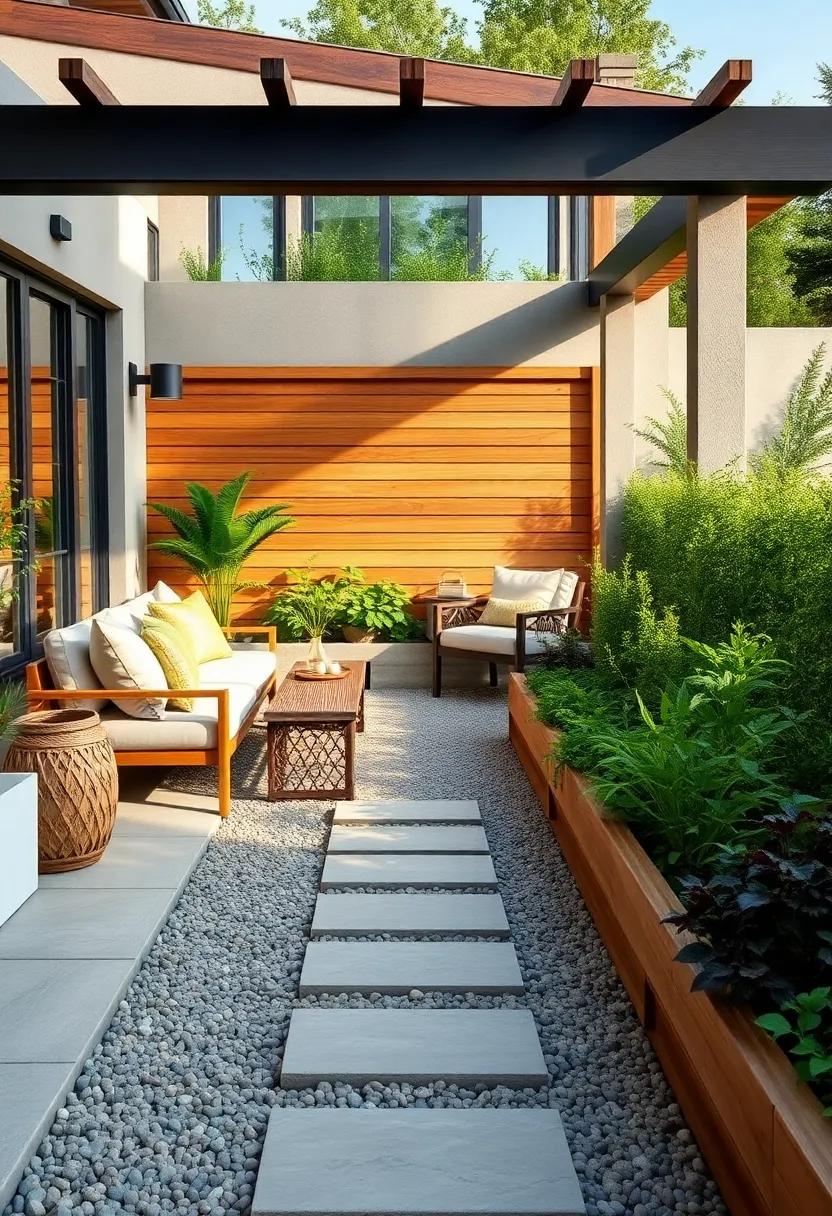
Creating pathways in your herb garden not only enhances its aesthetic appeal but also serves a functional purpose. By laying down stepping stones or gravel paths, you define seperate areas for easy navigation while keeping the soil intact. Consider arranging the stones in curved lines that mimic the natural flow of the garden or create a structured grid for a modern twist. This not only guides your visitors through the fragrant rows of mint, basil, and thyme but also keeps them from tramping through delicate plants.
When selecting materials for your paths, think about combining different textures to add depth to the garden.For instance, pairing smooth, rounded pebbles with sharp-edged stones can create an eye-catching contrast. You might also choose to incorporate edging plants that spill over the path slightly, softening the appearance and providing additional color. remember to leave enough space between the stones for gravel or moss to flourish, offering a soft underfoot experience that’s both practical and visually pleasing.
Add a Decorative Fence: Use a low, decorative fence around your herb garden to define boundaries and add charm while keeping pests out
Creating a defined space for your herb garden can easily be achieved by incorporating a charming, low decorative fence. Not only does this enhance the aesthetic appeal of your garden, but it also effectively keeps unwanted pests at bay, allowing your herbs to thrive. Choose materials like wrought iron, wood, or bamboo that complement the overall style of your garden, and consider painting or staining them in earthy tones or vibrant colors to add a personal touch. A fence that stands around two to three feet tall will create a cozy ambiance while still allowing sunlight to penetrate and nourish your herbs.
When selecting a design, think about styles that provide both beauty and functionality. Here are some ideas to inspire your choice:
- Picket Fences: Classic and charming,picket fences evoke a quaint cottage vibe.
- Horizontal Slats: Modern and chic, horizontal slats can provide a contemporary edge.
- Woven Willow: Eco-pleasant and attractive, woven willow offers a rustic feel while being flexible and lightweight.
Additionally,a decorative gate can serve as a lovely entrance,inviting you into your herb paradise. Incorporate some climbing plants like mint, thyme, or rosemary for added greenery that flows beautifully over the fence, creating a harmonious blend of structure and nature.
Experiment with Container Gardens: Grow herbs in various stylish containers that fit your décor aesthetic,making easy mobility for sunlight access
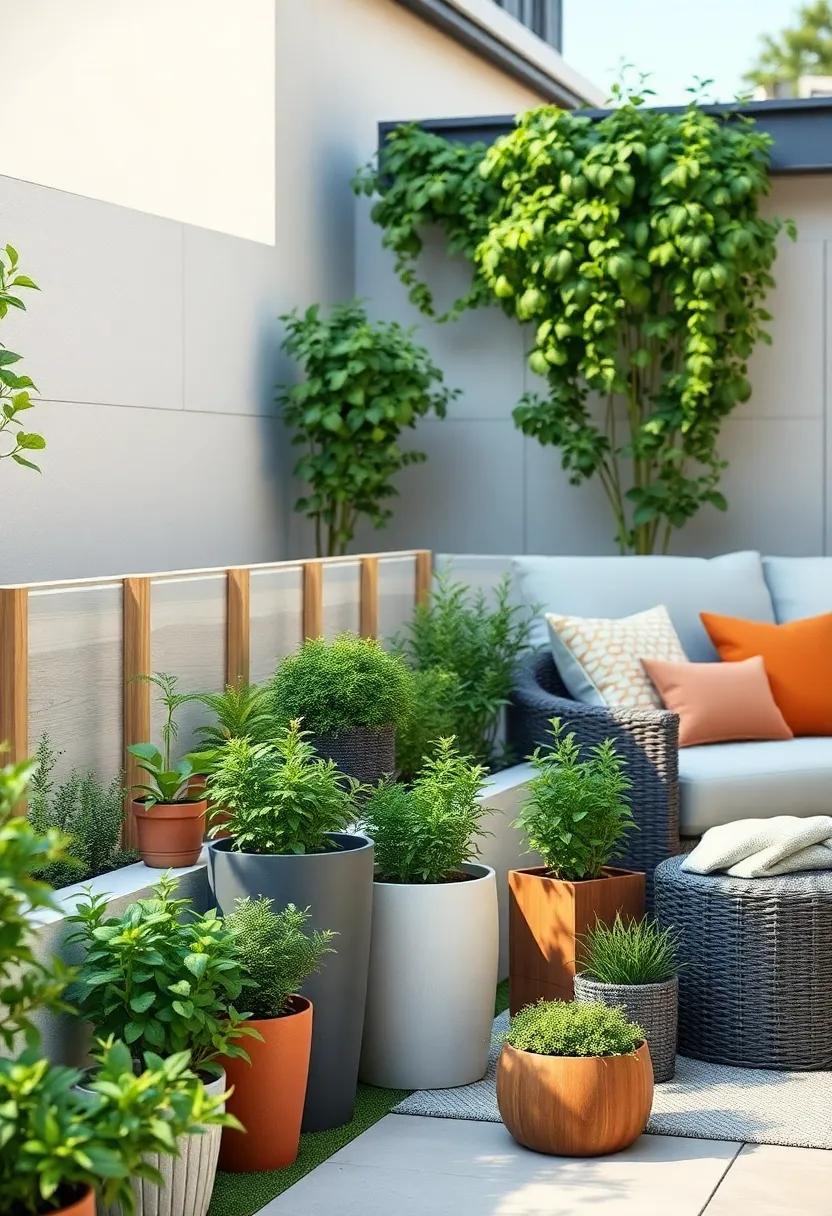
Transform your herb garden into a showcase of style with an array of containers that not only serve a purpose but also enhance your outdoor space. Think beyond conventional pots and explore options such as vintage crates, hanging baskets, and repurposed buckets. Each container allows you to curate a unique look that resonates with your home’s decor while providing an easy way to adjust their placement for optimal sunlight. By mixing and matching different materials—ceramic, metal, and wood—you can create a visually appealing layout that also draws the eye and inspires creativity.
To maximize mobility and ensure that your herbs get the best light, consider using wheeled plant stands or self-watering planters that fit your aesthetic. Pair your containers with accent elements like colorful pebbles or decorative gravel for an added touch of design. Here’s a rapid guide to some stylish container options and their benefits:
| Container Type | Style Elements | Mobility |
|---|---|---|
| Terracotta Pots | Classic rustic charm | Fixed, but available in smaller sizes |
| Metal Buckets | Industrial chic | Easy to move with handles |
| Hanging Baskets | Bohemian flair | Suspended, allows for creative space usage |
| Wooden crates | Rustic, DIY vibes | Stackable for ease |
focus on Aromatic Herbs: Incorporate scents such as mint, basil, and rosemary to create a sensory experience in your garden
Incorporating aromatic herbs into your low-border fenced garden not only enhances the beauty of the space but also stimulates the senses with their delightful fragrances. Imagine strolling through your garden as the refreshing scent of mint envelops you, filling your senses with a burst of coolness. planting basil will not only add a pop of vibrant green but also invigorate your outdoor experience with its distinct, sweet aroma. Add the evergreen notes of rosemary to the mix, creating an inviting atmosphere that lingers in the air, perfect for outdoor gatherings and relaxation. The combination of these herbs can turn your garden into a sensory wonderland, making it a lush retreat right at your doorstep.
To maximize the sensory experience, consider designing your garden layout with the placement of aromatic herbs in mind. Here are some ideas on how to integrate these fragrant plants effectively:
- Layering Plants: Plant taller herbs like rosemary in the back, with mint and basil cascading in front.
- Creating Paths: Align pathways between your herb plants to lead visitors through aromatic zones.
- Container Garden: Use decorative pots for herbs, arranging them based on height and scent intensity.
- Companion Planting: pair aromatic herbs with vegetables to enhance growth and flavor.
| Herb | Aromatic Note | Best Uses |
|---|---|---|
| Mint | Cool and Fresh | Teas, Cocktails, Desserts |
| Basil | Sweet and Earthy | Salads, pesto, Sauces |
| Rosemary | Woodsy and Piney | Roasted Dishes, bread, Marinades |
By choosing aromatic herbs and complementing them with thoughtful design, your garden can become a lively and fragrant escape, inviting you to explore and unwind amidst nature’s bounty. With each herb carefully placed, your outdoor space evolves into a multisensory haven that not only delights the eye but also tantalizes the senses.
Plan for Seasonal Changes: Select a mix of annual and perennial herbs that will provide year-round greenery and variety
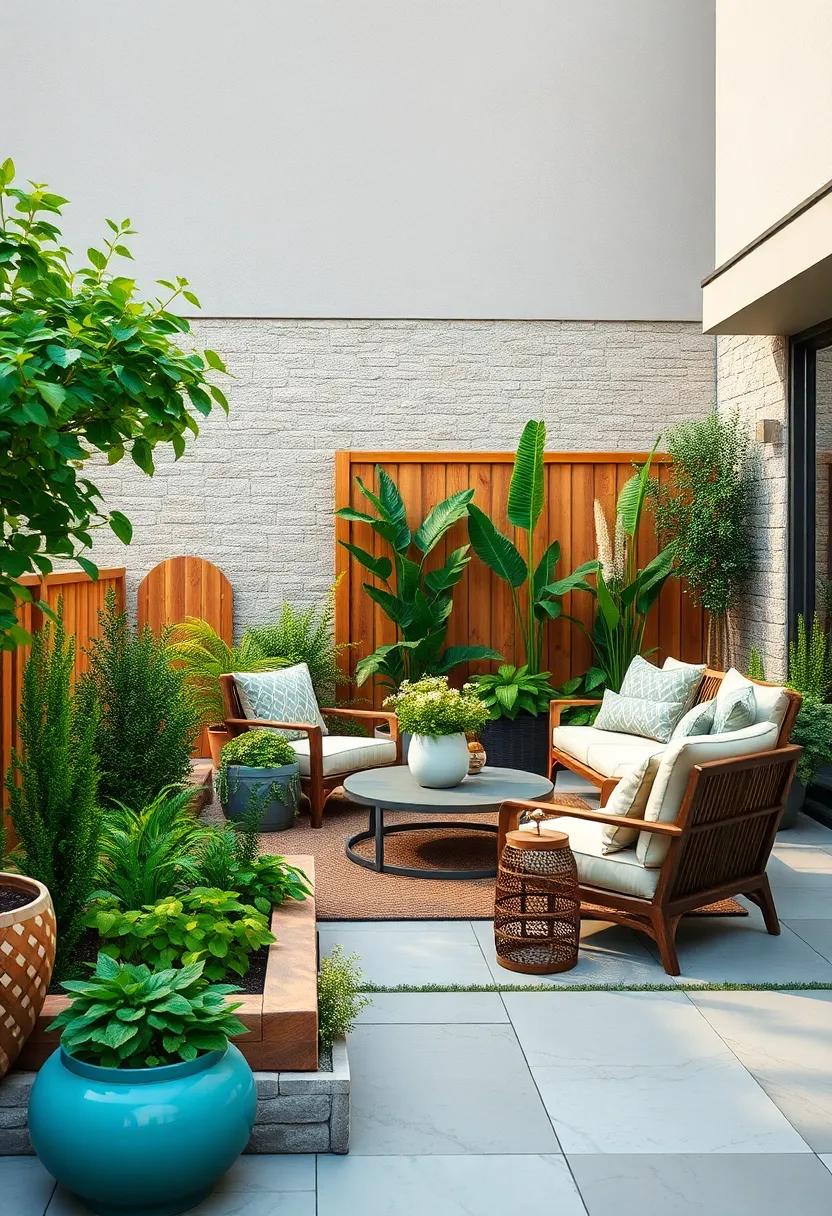
To ensure your herb garden remains vibrant throughout the year,consider a thoughtful selection of both annuals and perennials. Annual herbs, such as basil, cilantro, and chervil, are perfect for adding a burst of freshness during the warmer months. You can sow them each spring to enjoy their growth cycle, but remember that they won’t survive the winter chill. Meanwhile, incorporating perennial herbs like rosemary, thyme, and sage will guarantee you a resilient backdrop that thrives year after year. these hardy plants not only provide culinary versatility but also maintain a lush appearance even when annuals have faded away for the season.
To create a seamless transition between seasons, consider planting your annuals in a way that complements the established perennials.Here’s a simple planting strategy: intersperse quick-growing annuals among sturdy perennials to maximize space and aesthetic appeal. Refer to the table below to guide your selections:
| Type | Herb Varieties | Season of Interest |
|---|---|---|
| Annuals | Basil, Cilantro, Dill | Spring to Early Fall |
| Perennials | Thyme, Oregano, Chives | Year-round |
By mixing these herbs, you’ll cultivate a garden that offers visual interest and flavor diversity throughout the seasons. Get creative with positioning and think about layering; taller perennial herbs like rosemary can stand at the back, while low-growing annuals fill the front. This not only optimizes space but ensures your garden remains a flourishing and inviting area all year long.
Include a Water Feature: A small fountain or birdbath can attract wildlife and add tranquility to your herb garden
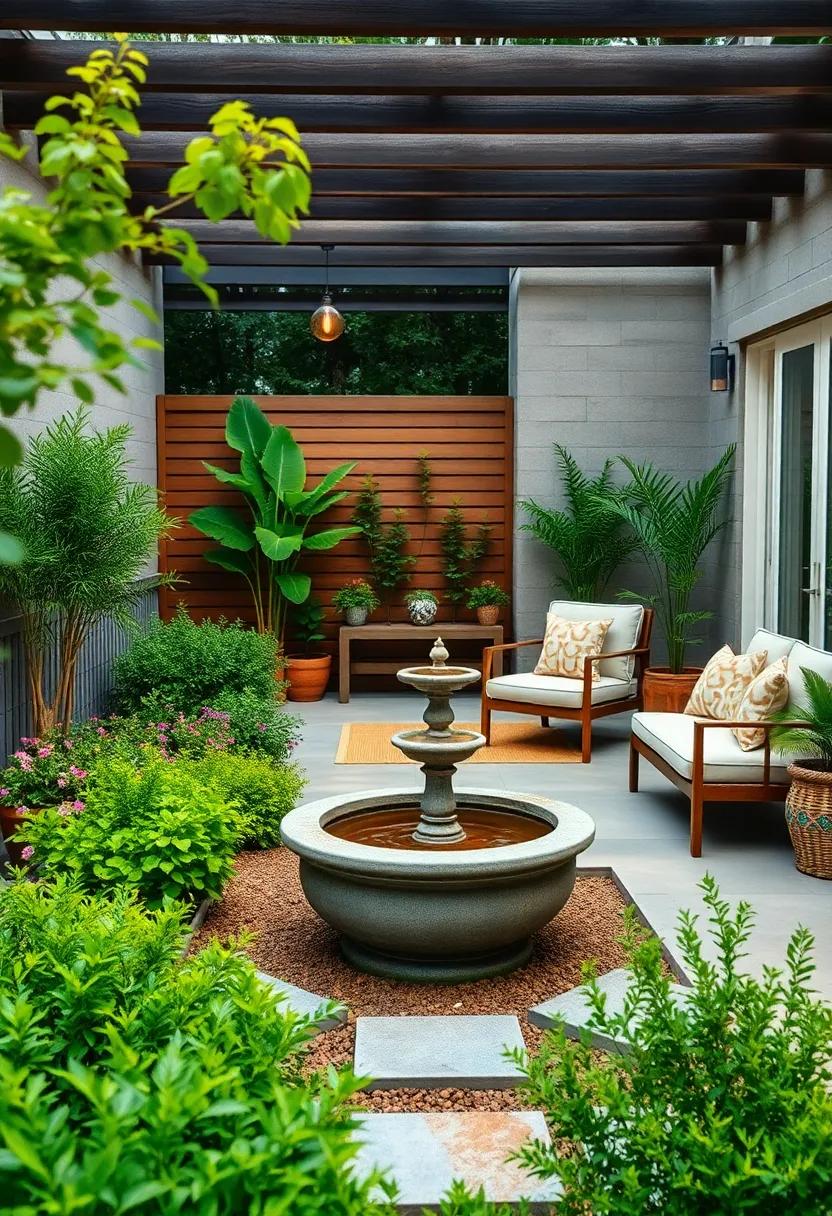
Integrating a water feature into your herb garden can transform it into a serene oasis that not only enhances visual appeal but also promotes biodiversity.A small fountain acts as a gentle focal point, catching the sunlight and creating a mesmerizing display of shimmering water. The sound of trickling water can soothe the mind and elevate your gardening experience, providing a backdrop of tranquility that complements the aromatic qualities of your herbs. Alternatively,a birdbath serves a dual purpose; not only does it attract various feathered friends,but it also creates a lively atmosphere,enriching the natural ecosystem around your garden.
Choosing the right water feature can be as simple or as elaborate as you desire. Consider the following options to harmoniously blend with your herb garden:
- solar-Powered Fountains: Eco-friendly and easy to install, these fountains require no electrical outlets and can run on sunlight alone.
- Miniature Pond: Create a small pond filled with aquatic plants that can provide a habitat for beneficial insects.
- Wall-Mounted Water Feature: If space is limited,a wall-mounted design can save space while adding vertical interest.
- Birdbaths with Decorative Stands: opt for artistic stands that enhance the aesthetics while attracting a variety of birds.
Here’s a concise comparison of options to help you decide:
| Feature Type | Benefits | Maintenance Level |
|---|---|---|
| Solar Fountain | Eco-friendly, no wires needed | Low |
| Miniature Pond | Supports wildlife, beautiful aesthetic | Medium |
| Wall-Mounted | Space-saving, stylish | Low |
| decorative Birdbath | Attracts birds, enhances garden charm | Medium |
Incorporate Garden Art: Use sculptures, birdhouses, or decorative stakes to enhance your garden’s visual appeal and create personal touches
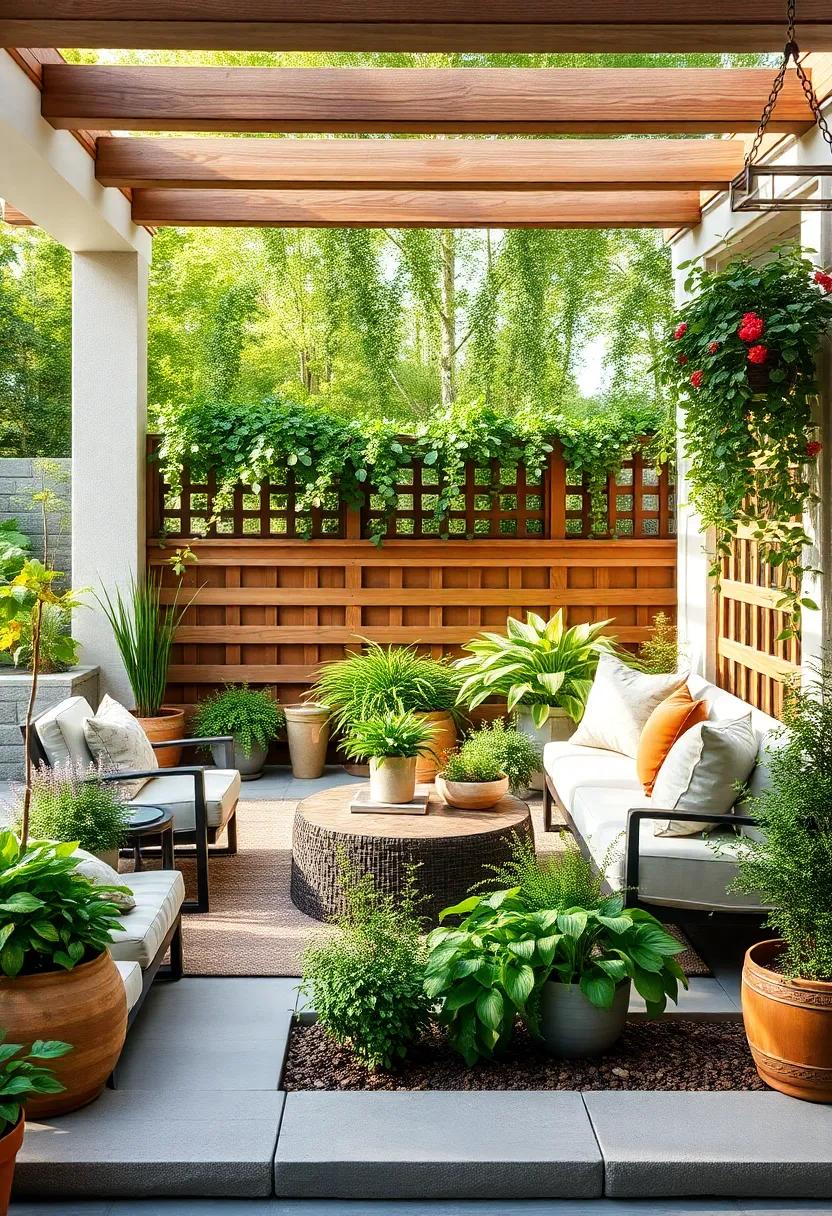
Transform your low-border fenced herb garden into a captivating retreat by incorporating unique garden art that reflects your personal style. Consider adding sculptures that can act as focal points, drawing the eye and sparking conversation. They could range from whimsical fairy figures to elegant animal motifs, each adding a touch of charm. In addition, decorative birdhouses not only serve a practical purpose by attracting local wildlife but also come in an array of designs that can complement your garden’s aesthetic. Choose vibrant colors or distressed wood finishes to create a visual feast and enhance the overall atmosphere.
To further elevate your space, decorative stakes can be a playful addition, guiding visitors through your garden. These stakes can be adorned with colorful designs, inspirational quotes, or even plant markers that uniquely identify your herbs. For a more cohesive look, consider grouping these elements to form themed zones within your garden. Here’s a quick overview of potential garden art ideas:
| Type of art | Description | Benefits |
|---|---|---|
| Sculptures | art pieces ranging from whimsical to abstract | Create focal points and add personality |
| Birdhouses | Functional and decorative for attracting birds | Enhance biodiversity in the garden |
| Decorative Stakes | Colorful markers or signs with creative designs | Guide visitors and add playful elements |
Utilize a Grid System: Designate specific areas in your garden for planting different herb varieties by using a simple grid system for organization
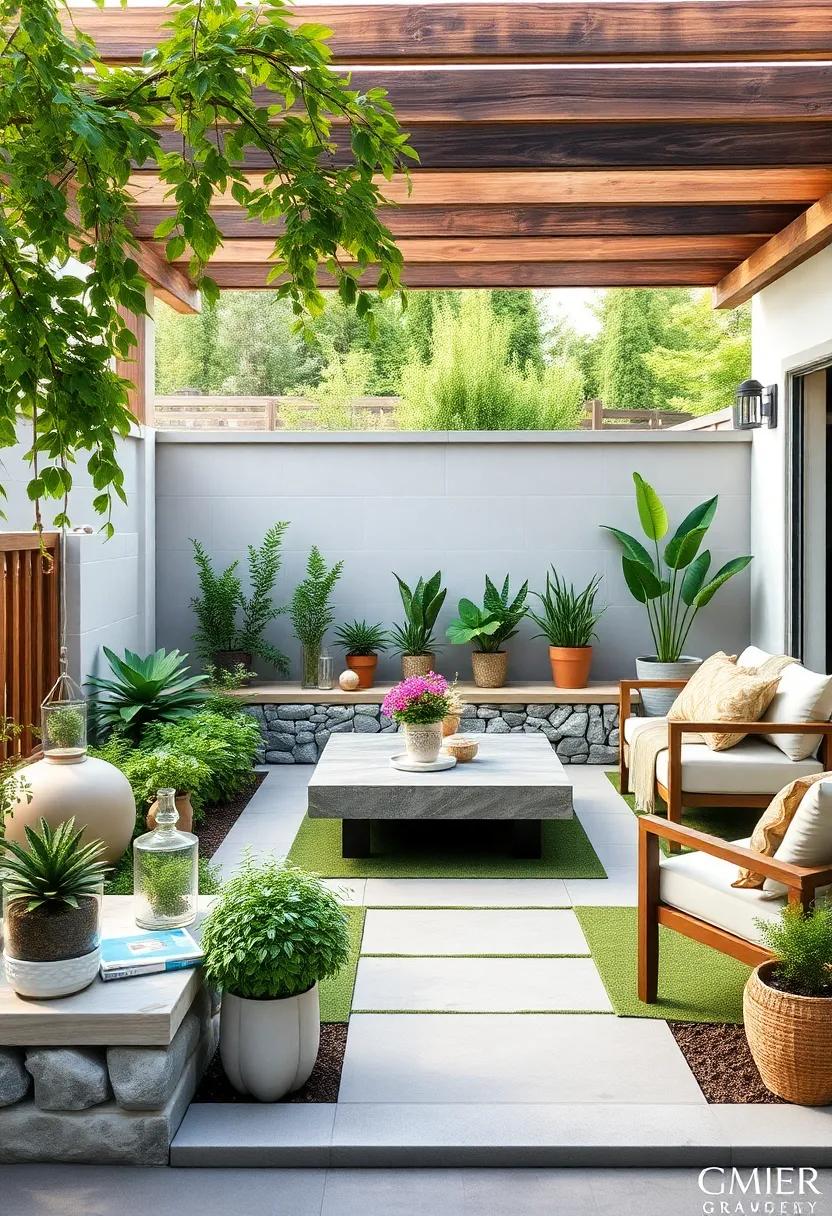
To maximize the space and productivity in your low-border fenced herb garden, implementing a grid system can work wonders.Start by dividing your garden bed into uniformly sized squares, which allows you to easily allocate specific areas for various herb varieties. As an example, you might choose to dedicate certain sections for aromatic herbs like basil and thyme, while reserving other squares for culinary favorites such as oregano and cilantro. This organized approach not only helps you keep track of which herbs are planted where but also makes maintenance simpler, as each section can be tended to individually.
Beyond organization,a grid system also creates an aesthetically pleasing layout that enhances the overall design of your garden. You can even add visual elements to each grid square, such as small labels or decorative markers, to identify each herb easily. Using materials like bamboo stakes or wooden dowels, you can create a simple structure to define each grid area. This method promotes a healthy planting environment, as herbs with similar watering and sunlight needs can be grouped together, fostering their growth while allowing for proper air circulation. Here’s a quick overview of some herbs to consider planting in your grid layout:
| Herb Type | Preferred Conditions | Notes |
|---|---|---|
| Basil | Full sun, well-drained soil | Great companion to tomatoes |
| Thyme | Full sun, dry soil | Drought-resistant onc established |
| Cilantro | Partial shade, moderate moisture | Fast-growing, bolt in heat |
| Oregano | Full sun, well-drained soil | Traditionally used in Mediterranean dishes |
Introduce Fragrant Pathways: Plant release aroma when brushed against, such as thyme or mint, along your walking paths for a sensory delight
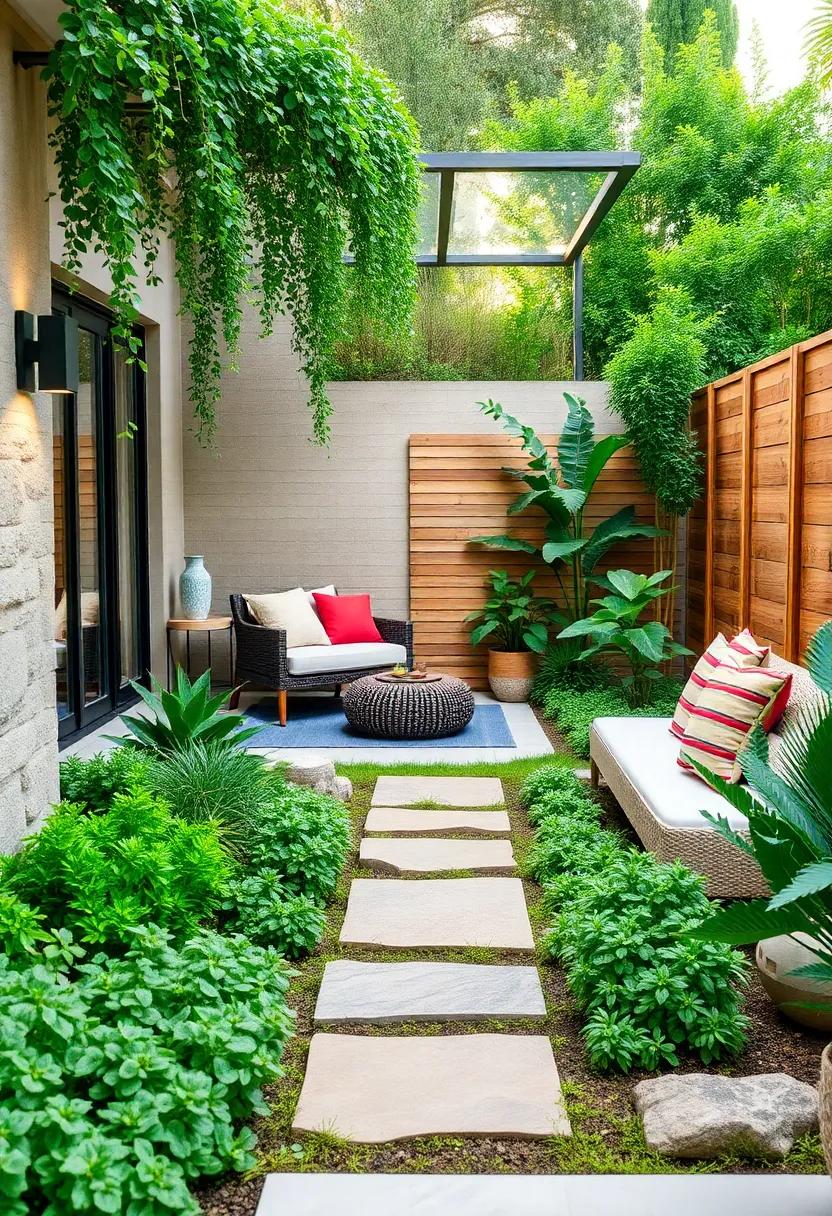
Imagine taking a leisurely stroll through your garden and being enveloped in the delightful scents of nature. By incorporating aromatic herbs along your walking paths, you invite both an olfactory treat and a visual feast. Consider planting thyme, mint, and sage—these herbs exude captivating fragrances when brushed against, elevating your garden experience. Each step can become a moment of aromatic joy, transforming it into a sensory adventure. utilize these herbs to create a layered tapestry of aromas that little visitors and foraging friends will absolutely cherish.
Not only do these fragrant plants enhance the atmosphere, but they also serve practical purposes. For instance, mint can deter pests, while thyme flourishes in well-drained soil and can be snipped for culinary delights. Here are some exciting options for your aromatic pathways:
- Lavender: its sweet scent calms the mind.
- Rosemary: Adds a pine-like fragrance that invigorates.
- Oregano: offers herbal notes that are great for cooking.
To further enrich your aromatic garden experience, consider creating a simple color-coded table delineating the key features of each herb, enhancing both accessibility and visual appeal:
| herb | Aroma Profile | Benefits |
|---|---|---|
| Thyme | earthy and warm | Pest deterrent, culinary use |
| Mint | Refreshing and cool | Pest repellent, tea ingredient |
| Sage | Herbaceous and slightly peppery | air purifier, culinary herb |
Use a Color Scheme: Choose herbs that complement your existing landscape or outdoor space to create harmony and visual interest
Creating a herb garden that not only serves its culinary purpose but also enhances the aesthetic of your outdoor space is an art. Consider selecting plants that align with your existing color palette. For instance, if your landscape features earthy tones, opt for herbs with muted hues like sage green and basil.Conversely, if you love vibrant colors, incorporating purple basil or Thai basil can bring a striking contrast that draws the eye. Use the visual characteristics of these herbs to your advantage, combining greens with pops of color, texture variations, and even flowering herbs to add dynamic visual interest.
In addition to color, think about the overall theme of your garden. A cohesive look can be achieved by grouping herbs with similar tones or contrasting shades that complement your outdoor decor. For a rustic, country-style theme, herbs like chamomile and thyme work beautifully with weathered fences and wooden planters. On the flip side, a modern space might benefit from sleek lines with cilantro and fennel planted in contemporary containers. This careful selection not only beautifies your herb garden but also creates an inviting atmosphere that encourages exploration and enjoyment.
Create a Dramatic Focal point: Select a standout herb variety or a unique planter as a centerpiece to draw the eye and anchor the space
Transform your herb garden into a visual masterpiece by selecting a standout herb variety or an eye-catching planter that acts as a focal point. Imagine a dramatic display of purple basil or red shiso against the green foliage of your other herbs, instantly drawing attention and inspiring conversation. Alternatively, consider utilizing a uniquely designed planter, like a hand-painted ceramic or a rustic wooden trough, to serve as the anchor of your garden. These visual elements not only enhance the aesthetics of your space but also invite guests to explore the garden more closely.
To further accentuate your dramatic focal point, consider the following tips:
- color Contrast: Pair vibrant herbs with neutral-toned planters or choose contrasting colors for artistic flair.
- Height Variation: Opt for planters of varying heights to create dimension and visual interest in your layout.
- Functional Art: Choose planters that double as decorative pieces—think macrame hangers or upcycled containers.
| Herb Varieties | Planter Options |
|---|---|
| Purple Basil | Hand-painted Terracotta |
| Red Shiso | Rustic Wooden Trough |
| Variegated Thyme | Metal bucket |
| Golden Oregano | Ceramic Urn |
Include a Picnic Area: Integrate seating within your herb garden, inviting relaxation and enjoyment of your gardening space
Creating a cozy picnic area within your herb garden not only enhances its visual appeal but also beckons you to unwind and soak in the serenity of nature. To design this delightful nook,consider integrating comfortable seating options such as wooden benches,colorful cushions,or even vintage picnic blankets that complement the green foliage. Adding a small table can facilitate herb-themed snacks and teas, turning your garden into the perfect retreat for friends and family gatherings.
Incorporate elements that stimulate the senses and allow for relaxed enjoyment. Surround your seating with aromatic herbs like basil, mint, and rosemary to create a fragrant ambiance. For a touch of whimsy, think about including a small fountain or a bird feeder, attracting delightful wildlife to your haven. Additionally, consider using pathways made from eco-friendly materials to lead to your picnic space, ensuring it beckons visitors to stop, sit, and savor the beauty of your gardening masterpiece.
utilize Lattice for Climbing Herbs: Create vertical space and visual intrigue by using lattice to support climbing herbs like peas and climbing nasturtium
Transform your herb garden into a striking vertical oasis by integrating lattice structures.These decorative frameworks not only add visual intrigue but also optimize space, allowing your climbing herbs to flourish. Consider planting peas and climbing nasturtium that will eagerly reach for the heights. As they ascend, their lush greenery and colorful blossoms will create a vibrant statement against the rustic backdrop of your garden. The lattice will serve as both a functional support and an artistic element, inviting guests to admire your innovative gardening approach.
To achieve the best results, think about the ideal placement of your lattice. Position it near sunlit areas to ensure that your climbing herbs receive ample light. Here’s a short guide on some suitable climbing herbs to consider:
| Herb | Height | Notes |
|---|---|---|
| Peas | 3-5 ft | Sweet, edible pods perfect for fresh salads. |
| Nasturtium | 2-6 ft | Vibrant flowers are also edible, peppery flavor. |
| Scarlet runner beans | 6-8 ft | Striking red flowers attract pollinators. |
Build a Herb Lattice fence: A functional twist on the classic fence can double as a plant support for climbing or trailing herbs
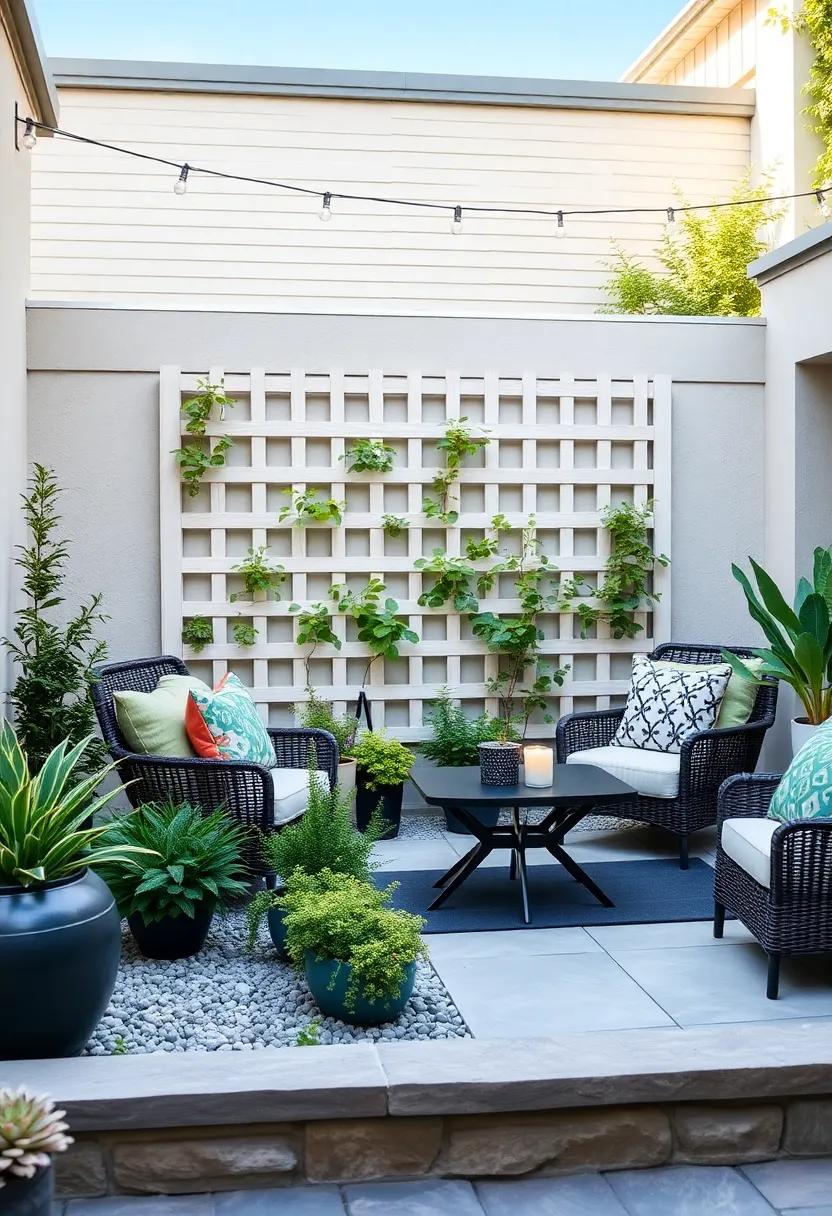
One of the most innovative ways to combine form and function in your garden is by creating a herb lattice fence that serves as a stunning backdrop while also supporting your favorite climbing or trailing herbs. Rather than opting for a traditional wooden fence,consider using wooden slats or trellis panels that allow sunlight to filter through while providing ample support for herbs like cucumbers,peas, or even fragrant climbing nasturtiums. This dual-purpose design not only adds an aesthetic element to your garden but also maximizes your growing space by allowing herbs to thrive vertically.
To make your herb lattice fence even more effective, choose a variety of herbs that naturally climb or cascade, thus enhancing the visual appeal of your garden. Begin by selecting herbs such as thyme, rosemary, or mint, which can be trained to grow up the lattice. Consider incorporating decorative elements, such as hanging pots for trailing herbs or small shelves for herb planters. Here’s a brief overview of herbs ideal for lattice fencing:
| Herb | Growth Habit | Benefits |
|---|---|---|
| Thyme | Low Trailing | Aromatic and versatile in cooking |
| Mint | Spreading | Refreshing flavor and excellent in teas |
| Peas | Climbing | Tasty and nutrient-rich |
| Cucumber | Vertical Growing | Great yield and space-saving |
Add a Compost Bin: Keep your garden eco-friendly by adding a stylish compost bin for nutrient-rich soil that encourages healthy herb growth
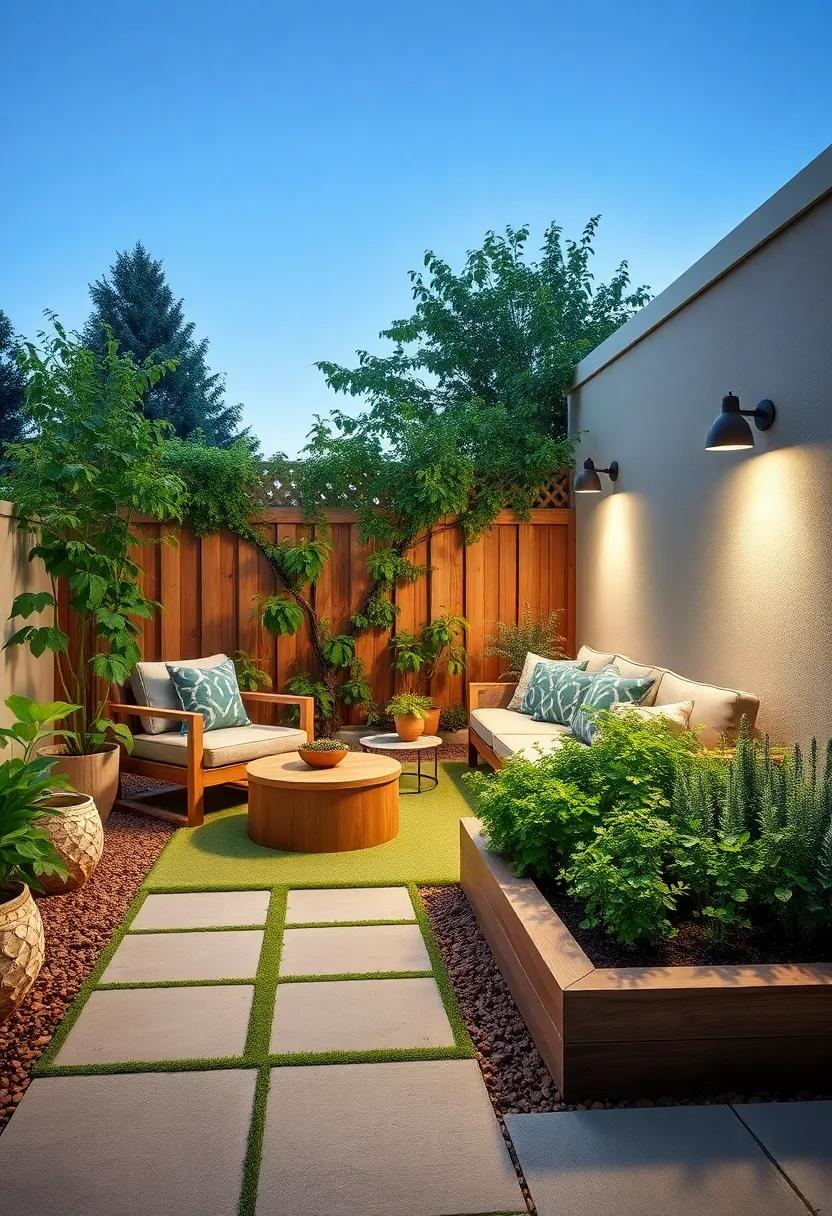
Transform your gardening experience by incorporating a compost bin that not only serves a practical purpose but also adds a touch of flair to your herb garden. Choose a stylish design that complements the aesthetics of your space, whether it’s a sleek modern unit or a charming rustic option. A well-placed compost bin can become a focal point, seamlessly blending form and function in your outdoor sanctuary. To make the most of your bin, try using materials like wood or metal that resonate with your garden’s overall style while ensuring durability and longevity.
Composting is more than just environmentally friendly; it’s a way to create nutrient-rich soil that will substantially enhance your herb growth. By regularly adding kitchen scraps, yard waste, and other organic matter, you’ll be recycling nutrients right back into your garden. Here’s some key information on what to compost:
| Type of Waste | Examples |
|---|---|
| Green Materials | Fruit scraps, vegetable peels, coffee grounds |
| Brown Materials | Dry leaves, cardboard, straw |
| Avoid | Meat, dairy, oily foods |
By creating a balanced compost mix, you’ll ensure a quicker decomposition process and generate healthy, rich soil that nourishes your herbs. Experiment with layering different waste types and observing your compost’s progress, which can enhance both your gardening skills and your appreciation for nature’s cycles. Watching the change from scraps to soil will deepen your connection to your garden, creating a more rewarding cultivation experience.
Use Labels Creatively: customize plant markers or labels with unique designs to identify each herb,adding an artistic touch to your garden
Transform your garden into a visual masterpiece by using plant markers that reflect your personality. Instead of the standard wooden stakes or plastic tags,consider opting for materials that stand out,such as ceramic tiles,engraved metal tags,or painted stones. Decorate each marker with unique illustrations representing the herb you’re labeling or even small quotes about gardening. For a cohesive look, choose a theme—like vintage or bohemian—and carry this artistic direction through all your markers, adding flair to each corner of your herb garden.
Don’t be afraid to let your creativity shine further by incorporating natural elements into your labeling process. for example, you could use twigs or branches as stakes and attach hand-written tags made from recycled paper or burlap. For a rustic aesthetic, tie on strands of twine or jute. Alternatively, consider designing color-coded labels for quick identification based on the type of herb: green for culinary herbs, purple for medicinal plants, and blue for aromatic varieties. To keep it engaging and playful, why not invite family or friends to contribute their own artistic touches, making your herb garden a collective expression of creativity?
Plan for Sun and Shade Areas: Understand your garden’s sunlight pattern to optimize herb placements based on their light requirements
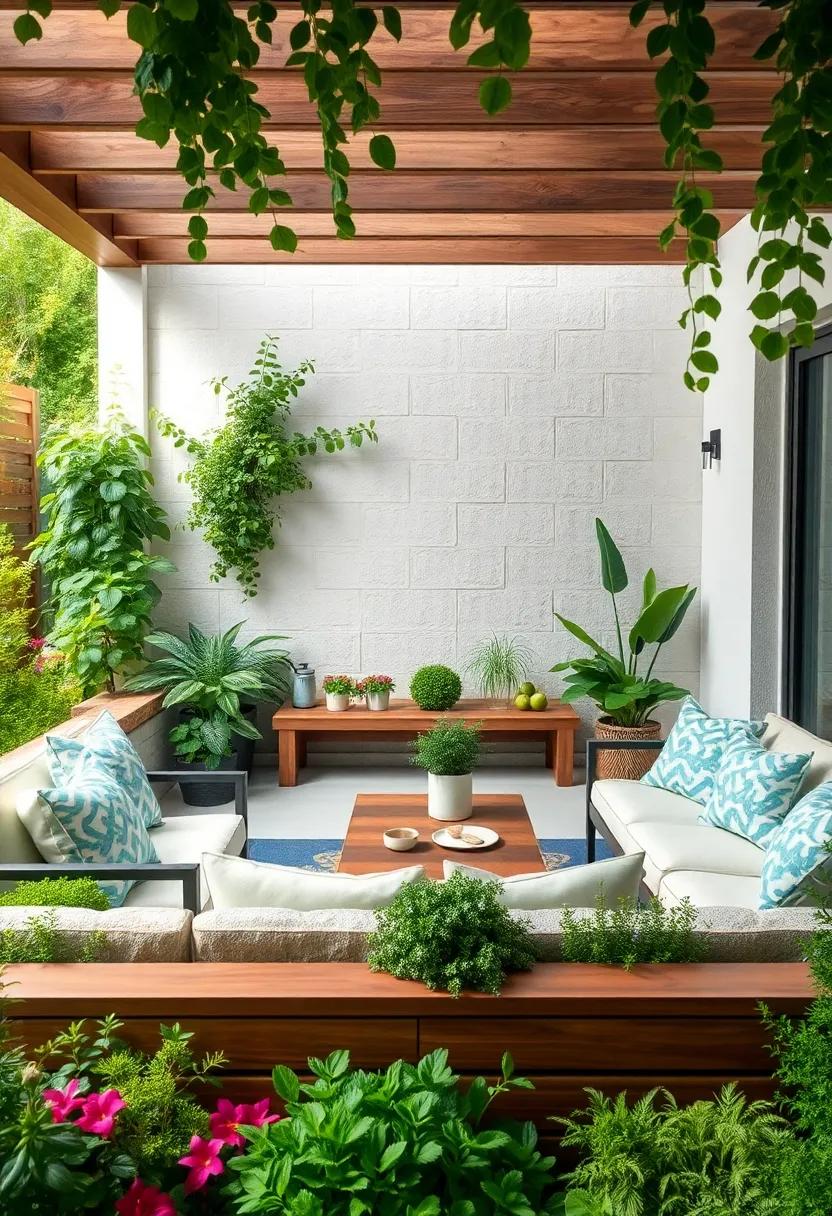
Understanding your garden’s sunlight pattern is essential for cultivating a thriving herb garden. Each herb has its own distinct light needs, from those that prefer basking in full sun to others that thrive in partial shade. To optimize your herb placements, take some time to observe how sunlight moves across your garden throughout the day. This will not only help you position your herbs effectively but will also promote healthier growth and higher yields.
When planning your herb garden, create sections dedicated to specific light requirements. Consider the following placements:
- Full Sun Herbs: Basil, rosemary, Thyme
- Partial Shade Herbs: Mint, Chives, Cilantro
- Shade-Tolerant herbs: parsley, Lemon Balm
To visualize your garden’s layout, you might find a simple table helpful:
| Herb | Light Requirement | Best Placement |
|---|---|---|
| Basil | Full Sun | South-facing border |
| Mint | Partial Shade | Under a tree canopy |
| Parsley | Shade | Near taller plants |
By planning strategically, you can create a visually appealing and functional herb garden that not only looks great but also provides the best environment for your herbs to flourish.
Embrace Seasonal Decor: Change up decorations with the seasons to keep your herb garden fresh and inviting all year round
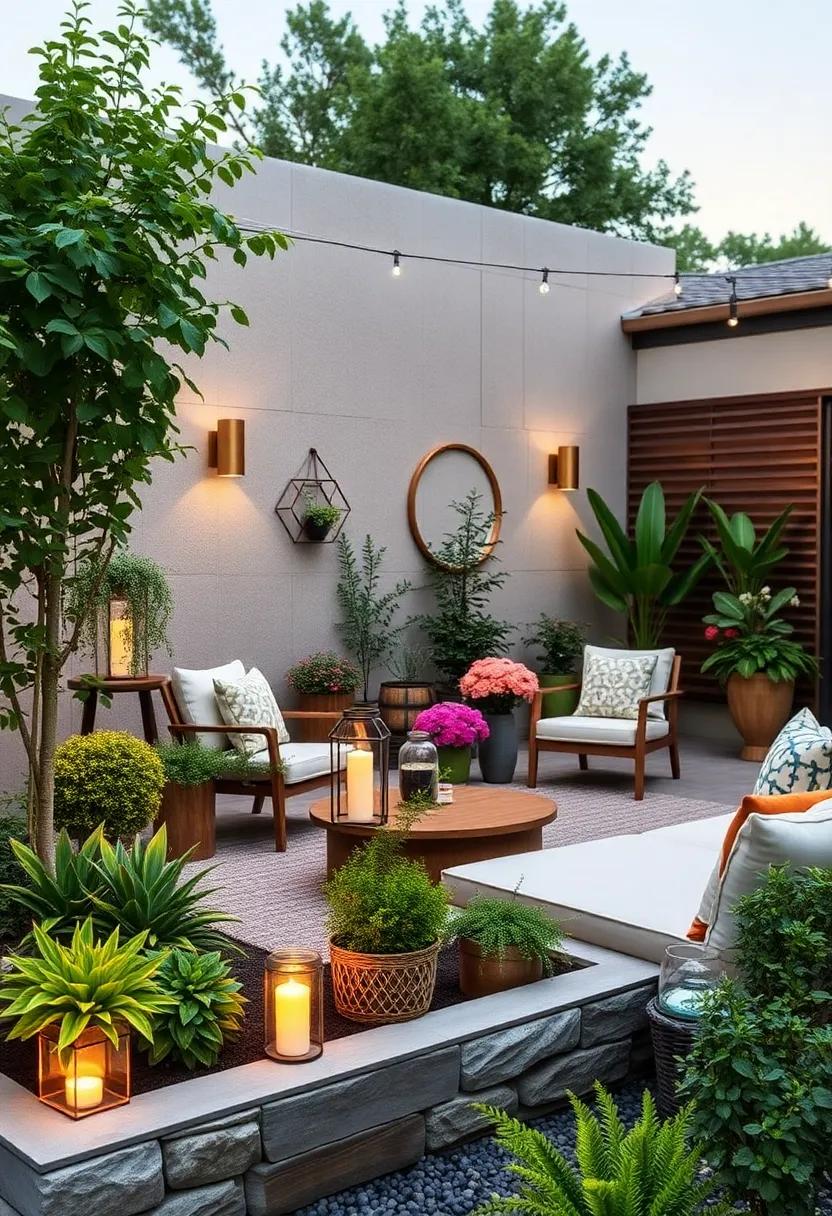
transform your herb garden into a seasonal showcase by thoughtfully aligning your decor with the changing seasons. For spring, consider lightweight, pastel-colored decorations such as painted terracotta pots or cheerful flower garlands woven through your herb plants.As summer rolls in, add vibrant colors with garden flags or DIY bunting that sways with the breeze, enhancing the outdoor experience as you harvest fragrant basil and mint. In autumn, embrace the warm tones of the season by incorporating mini pumpkins, gourds, or harvest-themed decor items that blend harmoniously with the lush greenery of your herbs. In winter, embrace a cozy vibe by adding twinkling fairy lights or snowflake ornaments to your garden’s fencing, creating a magical atmosphere even in the colder months.
to keep your herb garden fresh and inviting,consider changing your decor with each season. Here are some quick ideas for seasonal decor enhancements:
- Spring: Floral wreaths,pastel pots,and colorful plant markers.
- Summer: Vibrant table linens, sun hats for garden whimsy, and tiki torches.
- Autumn: Rustic lanterns, dried corn husks, and warm-colored throws.
- Winter: Evergreen wreaths,festive ornaments,and cozy seating options.
Here’s how you can easily rotate decor while maintaining a seamless look:
| Season | Decor Items | Color Palette |
|---|---|---|
| Spring | Pastel pots, flower garlands | Soft pinks, light greens |
| Summer | Garden flags, colorful bunting | Bright yellows, deep greens |
| Autumn | Mini pumpkins, harvest-themed decor | Burnt oranges, rich browns |
| Winter | Fairy lights, snowflake ornaments | Cool whites, icy blues |
Final Thoughts
As we wrap up our exploration of “25 Inspiring Ideas for Creating a Low-Border Fenced Herb Garden,” we hope you feel equipped to dive into your own gardening journey with renewed enthusiasm and creativity. Each idea presented is not just a suggestion, but an invitation to transform your outdoor space into a vibrant haven of flavors and fragrances, where the boundaries of your garden inspire rather than confine.
Remember, gardening is not just about the plants you grow, but also about the joy of nurturing them, the beauty they bring, and the delicious rewards that await you. So whether you choose to build your fencing from reclaimed wood, get creative with decorative stones, or incorporate whimsical elements that reflect your personal style, let your herb garden become an extension of you—stylish, functional, and full of life.
The world of gardening is vast and varied, and we encourage you to experiment, adapt, and most importantly, enjoy the process.As you embark on this green adventure, may your low-border fenced herb garden flourish with every season, becoming a source of inspiration and a sanctuary for creativity. Happy gardening!